Cart
0
 I came home from an event, kicked off my Michael Kors shoes and noticed something disappointing: the material on the inside was deteriorating.
The shoes still looked great on the outside, but the polyurethane material on the inside had begun to break down.
And as a product designer, I immediately knew what I was looking at.
This isn't about Michael Kors. Polyurethane, commonly referred to as PU, is used throughout the fashion industry at virtually every price point. It can look and feel beautiful, and there is another important reason it is so widely used: cost.
Polyurethane can cost considerably less than many alternative materials, which can have a significant impact on manufacturing costs and ultimately a brand's profit margin. That's an obvious benefit for the manufacturer or brand. But for the consumer, a lower cost material doesn't necessarily mean better value over time, particularly when that material will eventually deteriorate.
Polyurethane Will Eventually Break Down. And that's the part consumers don't always realize.
All polyurethane will eventually break down and deteriorate. The difference is how long it takes. Some formulations can last much longer than others, but degradation is ultimately part of the material's aging process.
Heat, humidity, storage conditions, exposure, construction, formulation and everyday use can all affect how quickly that deterioration becomes noticeable.
Sometimes it appears as peeling. Sometimes it's cracking, flaking or separation. And it may happen much sooner in one product than another.
Seeing the inside of my shoes immediately took me back to why I didn't want to use PU for my handbags, even though choosing it would have significantly reduced my material costs.
Why I Chose Something Different
When selecting materials for my vegan handbags, I searched the globe for something high quality, buttery soft and beautiful. I wanted a material that wouldn't deteriorate in the same way I had seen with other handbags and shoes I had owned.
I thought about how the material would perform in real life and over time. I wanted to create a piece that could be carried and enjoyed for years, rather than something destined for a landfill because the material began peeling or falling apart.
What happens when you spill something on your bag? When you're caught in the rain? When you toss it in the car? Will it get scratched and scuffed? What happens when makeup gets on it? How will it hold up when you carry it day after day?
And what happens to the material as it ages?
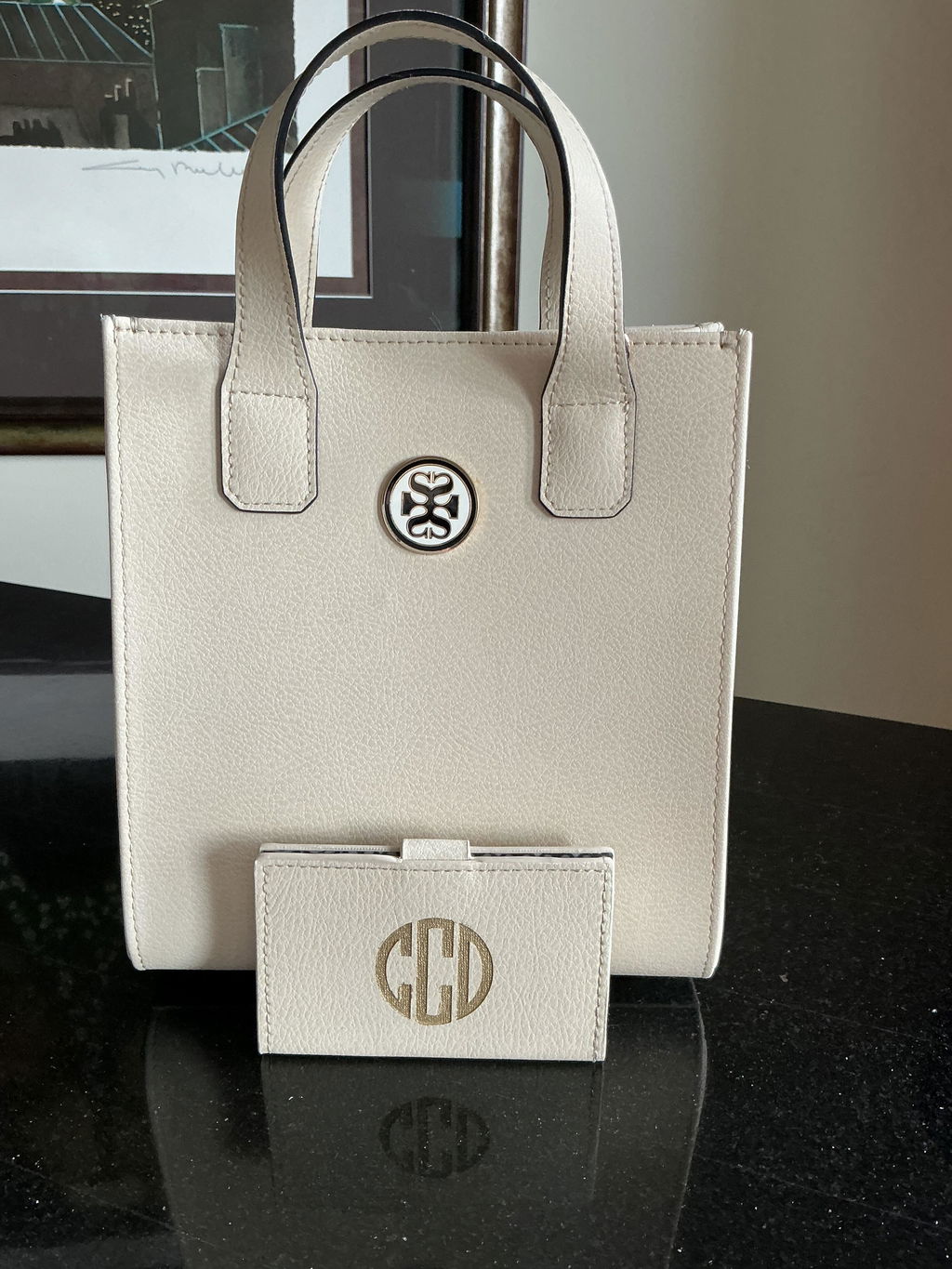
Those questions were part of the reason I chose premium silicone leather rather than traditional polyurethane leather for the Gia Mini Tote.
Silicone leather is not PU leather. This next generation material is PVC and PU free, stain resistant, easy to clean, colorfast and incredibly durable, while still giving me the refined look and feel I wanted for the collection.
Why the Material Matters to the Price
This distinction is also important when it comes to price.
If you're not familiar with silicone leather, it can be easy to assume that a vegan handbag is made from polyurethane and wonder why one bag costs considerably more than another.
The material is a big part of the answer.
Choosing traditional PU would have significantly reduced my material costs and increased the profit margin on each bag. Instead, I chose to invest in a more advanced material because I wanted the performance, durability and feel that came with it.
Silicone leather costs considerably more than traditional polyurethane, and that difference is reflected in the cost of making our bags. You're not simply paying more for a vegan handbag. You're paying for a premium material with superior performance characteristics.
For me, that was a deliberate choice. I would rather put more of the cost into the material and create a handbag designed to perform beautifully over time than increase the margin by choosing a less expensive material that I already knew would eventually deteriorate.
At the end of the day, I can't have a product with my name on it that isn't quality. It's personal to me, and it's as simple as that.
Great Design Goes Beyond How Something Looks
No material lasts forever. But different materials have very different properties, and understanding those differences matters when you're designing a product that's meant to be used in real life, not just admired.
How will this material perform? How easy will it be to care for? What happens when life gets messy? How will it age?
Those decisions aren't necessarily the things that make someone stop and say, I love that bag. But they're often the things that determine whether you still love that bag after you've actually lived with it.
So while I wasn't particularly happy to discover the inside of my shoes deteriorating, it was a real life reminder of why material selection matters when we invest in handbags and shoes.
Great design isn't just about how a product looks when it's new. It's about considering how the materials will perform and last over time.